
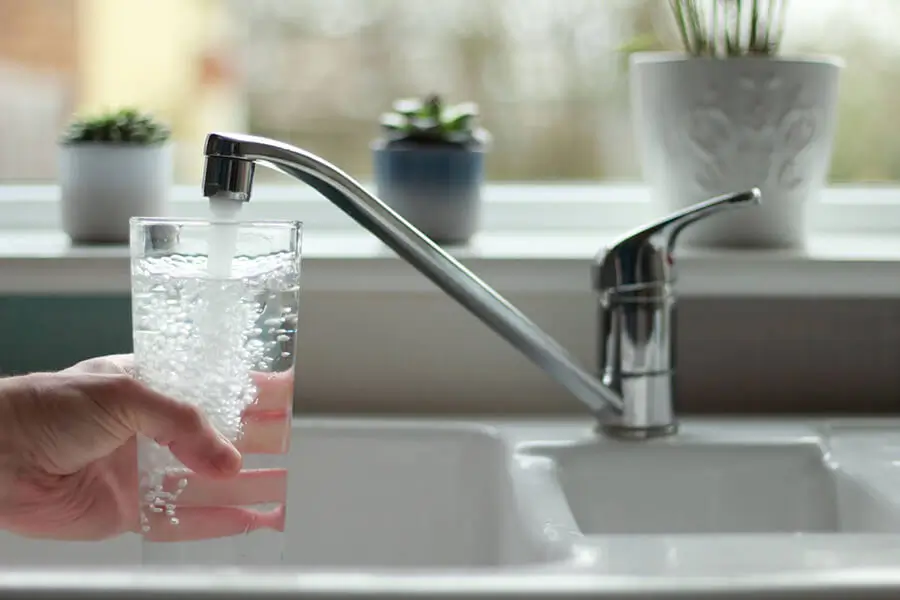
Water Pipeline Disinfection in Dubai
Pipeline disinfection destroys the micro-organisms living inside a building's water distribution system, including Legionella and Pseudomonas. EZ Solutions disinfects new and existing water services in Dubai using chlorination to Dubai Municipality standards, tests free residual chlorine, and is approved by Trakhees, EHS and Dubai Municipality.
Water systems are complex networks of pipes and plant, and the internal condition of almost all of it is invisible. In many systems that leads to deposits, debris, oxidisation, bacteriological growth and biofilm, and a general reduction in the efficiency and safety of the system.
What is at stake
Maintaining good standards of water hygiene means controlling levels of dangerous waterborne bacteria, including Pseudomonas and Legionella. Dirty and poorly maintained water systems, old and dilapidated pipework, neglected water tanks and poorly managed cooling towers all cause a significant deterioration in water quality. Those conditions create ideal environments for waterborne pathogens to grow, which increases the risk to the health and safety of employees, customers and residents.
Methods of pipeline disinfection
- Chlorination. The most common method. Chlorine or chlorine-based compounds are added to the water in the pipes, killing or inactivating harmful microorganisms. Because the chemical is pH dependent, free residual chlorine is tested with a kit such as the Lovibond Scuba II.
- Ultraviolet (UV) disinfection. Water is passed through UV light, which inactivates microorganisms.
- Ozonation. Ozone is added to the water to kill or inactivate microorganisms.
- Hydrogen peroxide. An oxidising agent that can also be used to kill microorganisms.
Order of work matters
Before any pipeline disinfection, the water tanks supplying the network must be cleaned and disinfected. Thorough cleaning of the pipes to remove dirt and debris also comes first, since disinfectant applied over a layer of sediment is largely wasted.
Approvals
Our teams of trained water treatment technicians perform disinfection of both new and existing water services installations using chlorine in accordance with the requirements of DM standards. We are approved by Trakhees, EHS and Dubai Municipality. Request a quote or call us and we will arrange a site survey.
What is included
- Chlorination to Dubai Municipality standards
- New installations and existing water systems
- Free residual chlorine tested with a Lovibond Scuba II kit
- Carried out after tank cleaning, in the correct order
- Approved by Trakhees, EHS and Dubai Municipality
- Site survey available before quotation
How we do it
-
Clean the tanks first
The tanks supplying the network are cleaned and disinfected before the pipework. Disinfecting pipes fed by a dirty tank simply recontaminates the system.
-
Flush the pipework
The lines are flushed to remove sediment and debris, so the disinfectant reaches the pipe surface instead of reacting with loose material.
-
Dose and circulate
Sodium hypochlorite is introduced and the water is run through the system so the disinfectant contacts every internal surface, including dead legs and outlets.
-
Test and certify
Free residual chlorine is tested with a Lovibond Scuba II kit and the water is checked against the required safety standards before the system is handed back.
Water Pipeline Disinfection in Dubai: frequently asked questions
Why does a water system need disinfecting?
A building water system is a complex network of pipes whose internal surfaces nobody can see. Deposits, debris, oxidisation, bacteriological growth and biofilm develop inside, reducing both efficiency and safety. Controlling waterborne bacteria such as Legionella, which causes the potentially fatal Legionnaires' disease, is an essential part of managing any engineered water system.
How often should pipelines be disinfected?
It depends on the system, but Dubai Municipality guidelines call for it on a regular basis, typically annually or semi-annually. Age of the pipework, the water source and any known contamination all shorten the interval.
What methods are available?
Chlorination is by far the most common and is what we use, applying sodium hypochlorite as the disinfecting agent. Other methods include ultraviolet disinfection, ozonation and hydrogen peroxide. Chlorination is pH dependent, which is why free residual chlorine has to be measured rather than assumed.
Does the tank have to be cleaned first?
Yes. The tanks supplying the network must be cleaned and disinfected before the pipeline work, otherwise the freshly disinfected pipes are immediately fed with contaminated water.
Can I do this myself?
It should only be carried out by trained personnel. The chemicals require correct handling, the dosing has to be right to be effective without being unsafe, and the water must be tested afterwards to confirm it meets the required standards.
Do you disinfect new installations?
Yes. Our water treatment technicians perform disinfection of both new and existing water services installations using chlorine in accordance with DM requirements.